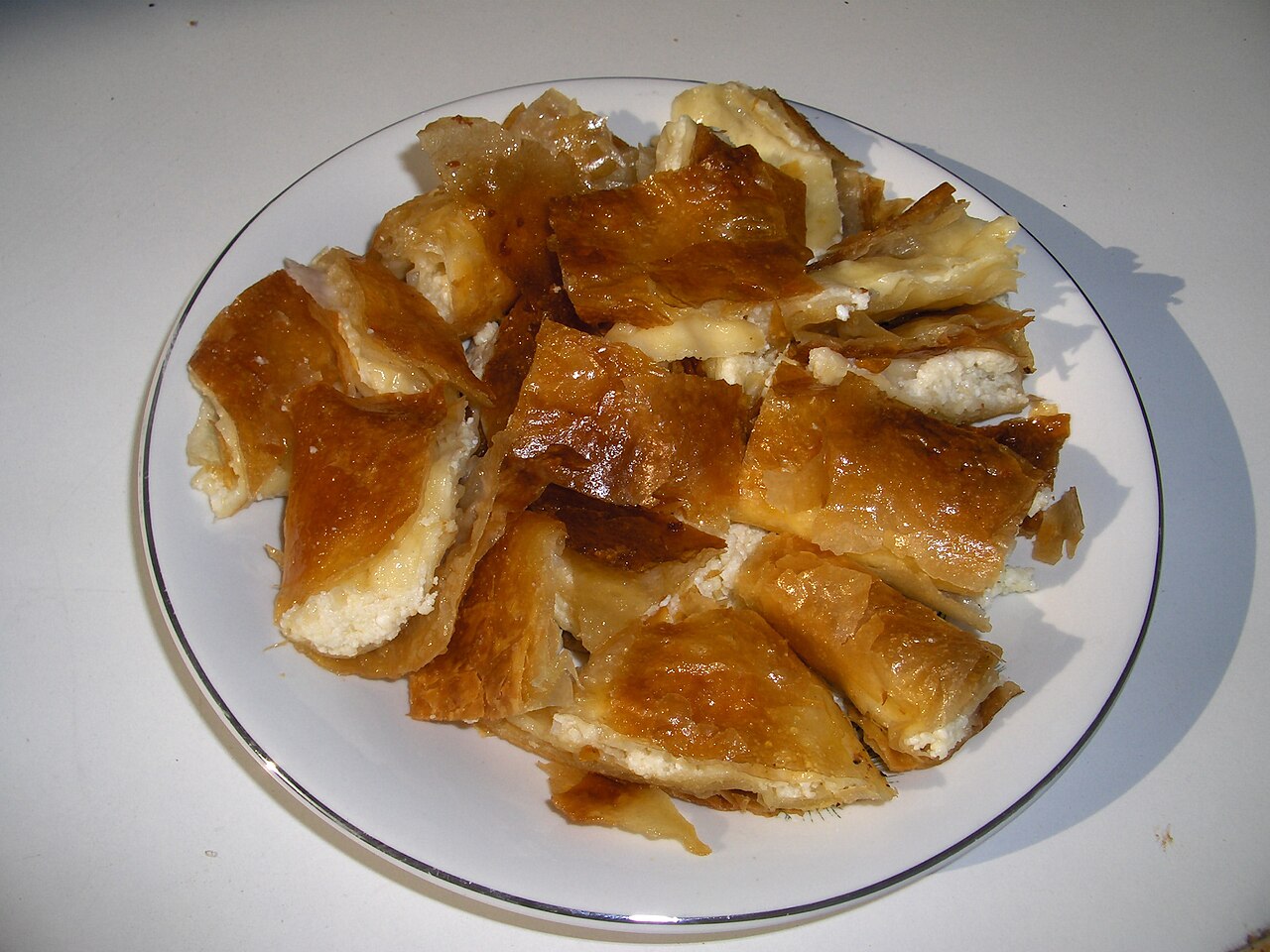
Imagine a pastry that effortlessly transports you through centuries of history, a culinary creation born in the heart of empires and refined by the hands of refugees, ultimately becoming a beloved symbol of Greek hospitality. This is the enchanting story of bougatsa, a quintessential Greek pastry that has journeyed from its Byzantine origins to claim its rightful place as a beloved breakfast staple, particularly in northern Greece.
More than just a delicious treat, bougatsa is a testament to cultural fusion and resilience. With its multiple layers of impossibly thin, crispy phyllo dough enveloping a rich, often creamy filling, it offers a textural and flavourful experience that is both comforting and exhilarating. Whether enjoyed sweet with a dusting of icing sugar and cinnamon or savoured in its savoury forms, bougatsa embodies a rich narrative that mirrors the very tapestry of Greek history. Let's delve into its fascinating past and explore why this humble pastry holds such an iconic status today.
The Echoes of Empire: Bougatsa's Byzantine and Ottoman Roots
The tale of bougatsa begins not in modern Greece, but in the majestic city of Constantinople, the thriving capital of the Byzantine Empire. Here, during the empire's twilight centuries leading up to its fall in 1453, a form of stuffed pie known as pogatsa emerged. This early ancestor of bougatsa was a product of Constantinople's vibrant, multicultural culinary landscape, blending indigenous Greek traditions with diverse influences from the broader Eastern Mediterranean.
The evolution of this pastry was significantly shaped by Central Asian Turkic traditions, notably through the introduction of börek. These layered pastries, brought westward by nomadic migrations, found fertile ground in the Byzantine territories. As the Ottoman Empire expanded and eventually enveloped these lands, börek adapted, giving rise to numerous regional variations. Bougatsa stands as a distinctly Greek adaptation, meticulously preserving the delicate, flaky phyllo dough while seamlessly integrating local flavours and culinary sensibilities. This fascinating culinary fusion unfolded over centuries of intense cultural exchange across the Balkans and Anatolia, where Ottoman practices subtly permeated Greek communities, leaving an indelible mark on their gastronomic heritage.
By the late 19th century, bougatsa was already a well-established presence in Ottoman Thessaloniki. The historical record confirms this, with the first documented bougatsa shop license issued in Thessaloniki in 1896 to a establishment named "Dodoni." Further testament to its growing popularity is the formation of a makers' union in 1914, boasting 42 members, indicating a robust and thriving trade even before the major demographic shifts of the early 20th century.
A New Home, A New Dawn: Bougatsa's Flourishing in Northern Greece
While bougatsa had a foothold, its true explosion in popularity and its cementing as a Greek staple are inextricably linked to a pivotal moment in modern Greek history: the population exchange between Greece and Turkey in 1922-1923. Over a million Greek refugees from Asia Minor and Cappadocia, dislocated from their ancestral homes, resettled primarily in northern Greek regions, including Thessaloniki and Serres. These refugees brought with them not only their lives and hopes but also a rich tapestry of culinary traditions and unparalleled expertise in making layered pastries.
The influx of these skilled bakers and their beloved recipes proved to be a catalyst for bougatsa. Establishing new shops and integrating their craft into existing bakeries, they transformed bougatsa from a regional specialty into a widespread culinary phenomenon. For these displaced communities, bougatsa became more than just food; it was a comforting taste of home, a symbol of resilience, and a means of economic sustenance. Initially, often referred to as the "pita of the poor" due to its simple, affordable dough, bougatsa steadily evolved. Through refined phyllo techniques and the introduction of a wider array of fillings, both sweet and savory, it transitioned from a basic sustenance to the more refined and celebrated pastry we know today.
This period saw bougatsa gain particular prominence in Serres, a city that embraced the pastry wholeheartedly, and its fame subsequently spread rapidly throughout Thessaloniki. Today, Thessaloniki's bougatsa remains iconic, reflecting the city's rich history and the enduring legacy of those who helped popularize it. It is in these northern cities that the tradition of specialized bougatsa shops, known as bougatsadika, thrives, serving this beloved pastry fresh throughout the day.
The Art of Bougatsa: Varieties, Craft, and the Perfect Bite
At its heart, bougatsa is a masterpiece of textural contrast: the ethereal crispness of the phyllo yielding to a soft, luscious filling. While numerous variations exist, the most universally cherished is the sweet version featuring a creamy, semolina-based custard. This delightful filling is often subtly fragranced with orange zest, offering a bright, citrusy counterpoint to the rich creaminess. Once baked to a golden perfection, it's traditionally served warm, generously dusted with icing sugar and a sprinkle of cinnamon, creating a symphony of flavours and aromas that is simply irresistible. This classic rendition is what many fondly remember from their childhoods in Greek households, served alongside a steaming cup of coffee or tea.
Beyond the beloved sweet custard, bougatsa's versatility truly shines in its savoury forms. Popular savoury fillings include a tangy cheese mixture, often feta-based, providing a salty kick, or even minced meat, seasoned with aromatic herbs and spices. Each variant showcases the incredible adaptability of the basic phyllo dough and the skill of the bougatsades (bougatsa makers) who masterfully stretch and layer the dough to paper-thin translucence.
The true artistry lies in the phyllo. Unlike store-bought varieties, traditional bougatsa phyllo is incredibly delicate, often hand-stretched until it is almost transparent, creating dozens of whisper-thin layers that puff up into a marvelously flaky exterior when baked. This labour-intensive process is a hallmark of authentic bougatsa, distinguishing it from simpler pastries. The result is a pastry that is simultaneously light and substantial, a perfect balance of crispy exterior and tender interior. For those eager to explore the craft, learning to make Greek bougatsa: flaky phyllo, creamy custard, iconic taste at home can be a rewarding culinary adventure.
Experiencing Bougatsa Today: A Timeless Greek Delicacy
Today, bougatsa remains a cornerstone of Greek culinary traditions, particularly in Macedonia. It's not just a dish; it's an experience, a ritual, especially for breakfast or a midday snack. Visiting a local bougatsadiko in Thessaloniki or Serres is an immersive journey into Greek food culture. You'll often see the bougatsa being prepared fresh, sometimes even having the dough rolled out before your eyes, a mesmerising dance of flour and skill. The pastry is typically served cut into squares or triangles, still warm from the oven, allowing its inherent textures and aromas to fully flourish.
Tips for the perfect bougatsa experience:
- Enjoy it warm: Bougatsa is best consumed shortly after it's baked. The heat enhances the creaminess of the filling and the crispness of the phyllo.
- Pairing is key: Traditionally, a sweet bougatsa is enjoyed with a strong Greek coffee or a cup of hot tea. Savoury versions go well with a glass of local retsina or simply as a satisfying snack on their own.
- Look for authenticity: Seek out specialized bougatsadika. These establishments often focus solely on bougatsa, indicating a dedication to the craft and quality. A truly good bougatsa will have incredibly thin, crispy phyllo that shatters delicately with each bite, and a rich, flavourful filling that isn't overly sweet or bland.
- Don't be afraid to try varieties: While the custard bougatsa is iconic, venturing into cheese or meat bougatsa offers a different, equally delicious perspective on this versatile pastry.
Bougatsa transcends mere sustenance; it's a taste of history, a warm embrace from a culture rich in tradition, and a delicious reminder of the ingenuity and resilience of the Greek people. It’s seriously good any time of day, whether you’re starting your morning, need a quick energy boost, or simply craving something sweet and satisfying.
From the bustling streets of Byzantine Constantinople to the welcoming bakeries of modern Thessaloniki, bougatsa's journey is a vibrant chronicle of culinary adaptation and cultural identity. This beloved Greek pastry, with its flaky layers and comforting fillings, is far more than just a breakfast staple; it's a living piece of history, a delicious legacy passed down through generations, continuing to delight and connect people to the heart of Greek gastronomy.
